





Compensation System Design
Many organizations struggle to maintain compensation systems that are fair, competitive, and sustainable as they grow.
We design compensation systems that align roles, responsibilities, and pay structures to mission, budget realities, and long-term strategy.
The result is greater transparency, improved retention, and compensation systems that leaders can manage with clarity and confidence.









This work often begins when leaders realize their compensation approach no longer supports their goals. Compensation system design is the process of creating structured, transparent pay frameworks aligned to roles, performance, and long-term sustainability. What worked at an earlier stage may now feel inconsistent, difficult to explain, or misaligned with evolving needs.
The signals may be subtle at first, but over time they compound, creating strain for leadership and staff and making it harder to sustain a clear, strategic compensation approach.
When Organizations Turn to Compensation System Design
Common signs include:

Salary decisions are made on a case-by-case basis rather than within a clear structure

Staff are questioning how pay decisions are made

More candidates are turning down offers

Staff are leaving and citing higher pay or better benefits as the reason

Budget conversations are growing more complex each year

Role expectations are shifting without clear compensation updates

Organizational growth or restructuring is raising new pay questions

The Challenges We Address
Compensation challenges rarely come from a single decision. They build over time as roles, responsibilities, and pay structures evolve separately, creating confusion about fairness and sustainability. Compensation system design helps organizations address this complexity by establishing a clear and consistent foundation for pay decisions. Without a clear framework, leaders are left making complex compensation decisions with inconsistent guidance.
Our work helps organizations design compensation systems that bring structure, transparency, and long-term sustainability to pay decisions.
The challenges we solve:

Pay decisions have no consistent logic behind them

Staff distrust how compensation is determined

Competitive offers are getting harder to make

Strong performers are leaving for better pay elsewhere

Compensation has not kept pace with how roles have changed

Growth is creating new pay equity questions with no clear answers



What You Get
Our work builds fair, transparent, and financially sustainable compensation systems, supported by practical tools and frameworks that leadership teams can implement, communicate, and sustain over time.
-
Compensation philosophy aligned with organizational strategy
-
Salary structures tied to role levels and responsibilities
-
Market benchmarking and pay equity analysis
-
Pay structure guidelines to support leadership decisions
-
Budget models for sustainable staffing costs
-
Communication tools for clear rollout
-
Decision frameworks to guide future hires and promotions









How We Approach This Work
Our process helps leaders design compensation systems that are fair, transparent, and financially sustainable, while aligning with organizational strategy and context. While the steps below reflect our typical approach, we adapt and move between them as new insights emerge.

-
Diagnose
We review current compensation structures, salary data, staff feedback, and organizational goals to identify strengths, gaps, and inconsistencies.
-
Design
We develop an organization-wide compensation philosophy and use it to shape compensation frameworks, salary bands, and guiding principles that support recruitment, retention, and equity.
-
Align
We work with leadership and finance teams to ensure compensation decisions are sustainable and aligned with both near-term and long-term budgets.
-
Implement
We support rollout planning, communication, and training so teams can communicate updates to staff clearly and apply the compensation system consistently.
-
Sustain
We provide policies, tools, and procedures to help organizations maintain fair and effective compensation practices over time.



Ready to bring clarity to compensation decisions?
Ground your approach in real, sector-specific data so you can compete for and retain top talent.


What This Looks Like in Practice
LAYC Career Academy partnered with EdFuel to redesign its compensation system in response to new pay transparency legislation and a need for clearer, more competitive pay practices.
EdFuel conducted a pay equity audit and worked with leadership to develop a compensation philosophy, gather robust market benchmarks from peer organizations, and design salary bands by role level. We also supported rollout with a change management plan to help leaders communicate the new system clearly and consistently.
As a result:

100% of staff reported understanding the new compensation system and felt that it was clear and transparent.
Transparent salary ranges were published across roles to meet new regulatory requirements
The updated compensation model supported a smoother hiring process and improved offer acceptance rates
The result was a clearer, more transparent compensation framework that supported both retention and recruitment of staff and a system that leaders can sustain over time.

FAQs
What is compensation system design?

Compensation system design is the process of creating structured, transparent pay frameworks that align roles, performance, and compensation with an organization’s strategy and long-term sustainability.
How long does compensation system design typically take?
Most engagements range from three to nine months, depending on the size of the organization and the complexity of the compensation structure.
Do you use market benchmarking in this process?
Yes. Market data is used alongside internal role analysis to ensure compensation frameworks are competitive, fair, and sustainable. How much weight is given to market benchmarking depends on the organization’s approach and values.
Can compensation work align with other talent systems?
Yes, compensation can and should align with other systems. Many organizations pair compensation design with performance management or workforce planning to ensure systems work together.
Will our leadership team be involved?
Yes. Leadership collaboration is critical to ensuring that the system reflects organizational priorities, values, and financial realities.
Is This Right for You?
This service may be a strong fit if these challenges feel familiar. It is one piece of our broader work on talent systems.
-
You’re experiencing unclear or inconsistent compensation decisions.
-
You need a clear framework for making fair, competitive pay decisions.
-
You want a transparent compensation system that is sustainable over time.

Compensation structures influence many parts of an organization’s talent strategy. As organizations strengthen their compensation approach, they often explore related work such as staffing models, performance systems, and leadership development to ensure their talent systems work together effectively.

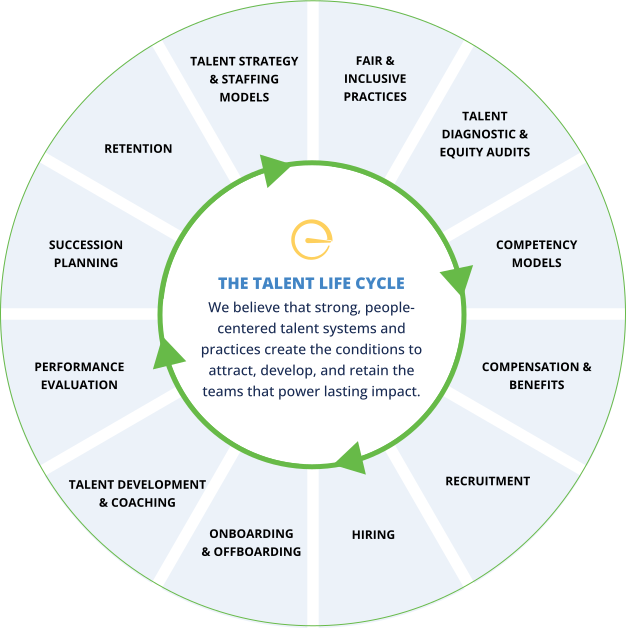



From Talent Talks Blog
Explore practical insights on strategic workforce planning, compensation design, performance management,
and leadership development across education, mission-driven, and nonprofit organizations.
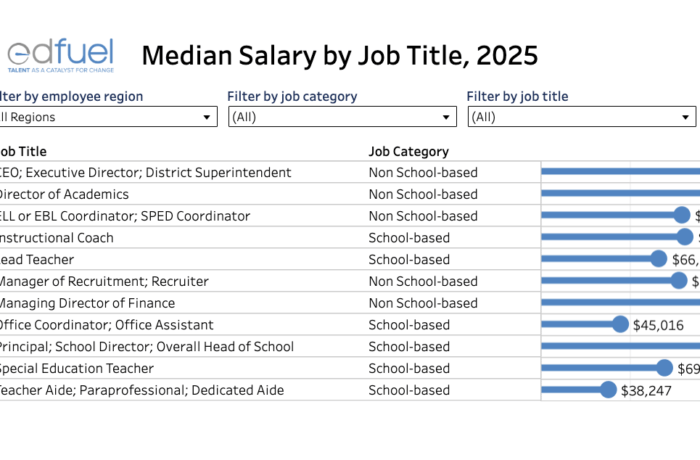
Compensation Is How Schools Show What They Value. Are We Paying Attention?
Nicole Pratt | June 2026 Early in my career, I was known as the “survey lady.” I couldn’t be in every room to ensure high-quality training for teachers across a whole state. So I learned to rely on surveys, and ultimately data, to understand what was happening. The data helped me see where things […]
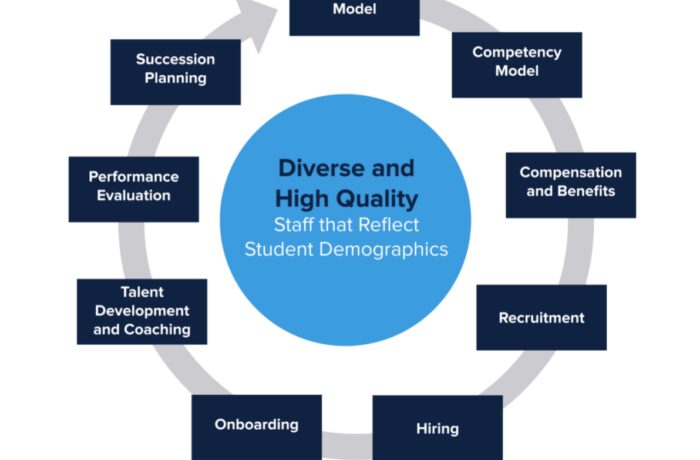
Strategic Staffing in a Season of Disruption: What It Really Takes to Build Stability
Kerri-Ann Pitts | April 2026 Dear EdFuel Community, A year ago, I wrote what became one of the most vulnerable reflections of my career — leading through a reduction in force and what it required of me as a people-centered leader. I wasn’t sure how it would land. But the response told me something important: […]
Leading in the Tension: What It Takes to Support Teams Amid Uncertainty
Nicole Pratt | February 2026 Every year, the first sign of spring for me isn’t the green grass or leaves on the trees, it’s the daffodil leaves. Thin green shoots pushing up when the air still feels cold and the ground looks unchanged. They’re easy to miss, but once I notice them, I know something […]
